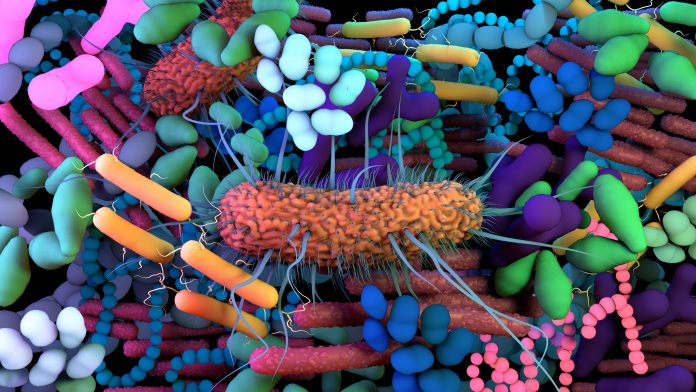
Have you ever stopped to think about the tiny creatures that are constantly around us and inside us?
Microbes, often overlooked because of their small size, play a huge role in shaping our health, environment, and even the food we eat.
From helping us digest our meals to protecting us from harmful pathogens, these microscopic marvels are essential to life as we know it.
In this blog, we’ll explore fascinating facts about microbes and discover why understanding their importance can lead to a healthier, more balanced world. Join us on this journey into the incredible universe of microbes!

The Significance of Microbes in Our Daily Lives
Microorganisms, commonly known as microbes, play an indispensable role in maintaining the balance and health of our environment, bodies, and food systems. Their presence is often unnoticed, yet their impact is profound and far-reaching.
The pervasive presence of microbes underscores their importance in sustaining life on Earth. Recognizing their contributions fosters appreciation for these microscopic entities that support health, environment, and industry every day.
Environmental Contributions
Microbes are vital for nutrient cycling within ecosystems. They facilitate the decomposition of organic matter, transforming waste into essential nutrients that support plant growth. This natural process sustains soil fertility and promotes biodiversity.
Human Health and Digestion
Within the human body, microbes form complex communities known as microbiota. These microorganisms assist in digesting food, synthesizing vital vitamins, and strengthening the immune system. A balanced microbiome is crucial for overall health and can prevent various illnesses.
Food Production
Microbes are fundamental to numerous food manufacturing processes. They are responsible for fermenting products such as yogurt, cheese, bread, and sauerkraut. These fermentation processes not only enhance flavor but also improve nutritional value and shelf life.
Waste Management and Bioremediation
In waste treatment facilities, microbes break down pollutants and organic waste efficiently. They are employed in bioremediation to clean contaminated environments, demonstrating their role in environmental conservation.
Industrial Applications
Beyond natural processes, microbes are harnessed in biotechnology for producing medicines, enzymes, biofuels, and other valuable products. Their versatility makes them essential tools in advancing sustainable industrial practices.