
How Orchard Management Shapes Hidden Microbes
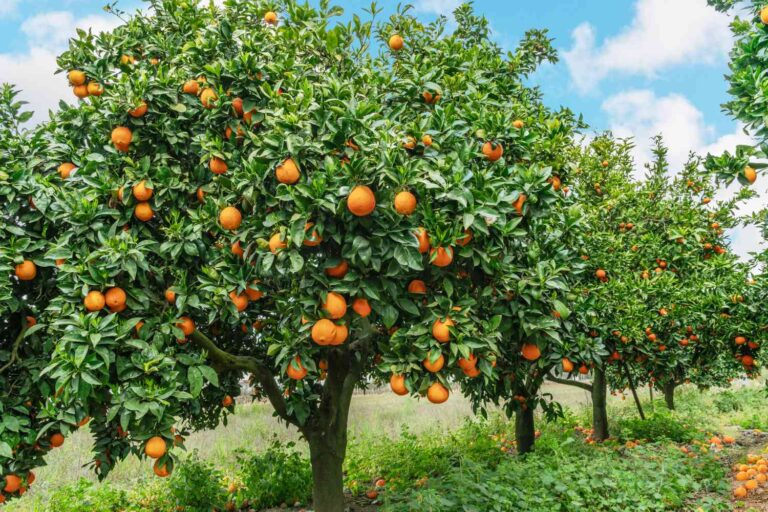
When we think about fruit orchards, we usually picture rows of trees heavy with peaches, plums, or apricots. But beneath those trees lies a busy and invisible world — microbes, insects, spiders, and tiny soil animals working continuously to keep the ecosystem functioning.
A recent South African study explored an important question:
👉 Can simple ground management practices help organic farmers harness nature itself to improve soil health and pest control?
Why Organic Orchards Depend on Nature
Unlike conventional farming, organic growers cannot rely heavily on synthetic fertilizers or pesticides. Instead, they depend on ecosystem services — natural processes provided by living organisms.
These include:
Soil microbes recycling nutrients
Predators controlling pests
Healthy soil organisms maintaining fertility
Biodiversity stabilizing the ecosystem
But nature is complex. The same organisms that help crops can sometimes also cause problems — known as ecosystem disservices, such as plant-feeding pests or weeds competing with trees. Understanding this balance is crucial for organic farming.
The Experiment: Mulch vs No Mulch
Researchers studied organic deciduous fruit orchards in the Western Cape, comparing two common management approaches:
✅ Standard management — weeds cut but left in place
✅ Mulched orchards — cut plant material placed under trees as dead organic mulch
The idea seemed simple:
Mulch should suppress weeds
Improve soil conditions
Support beneficial organisms
Reduce pests
But ecosystems rarely behave simply.
What Happened Underground?
Surprisingly, mulch did not significantly reduce weeds. Instead, the biggest changes occurred below ground.
Mulched areas showed:
More springtails (tiny soil arthropods important for decomposition)
Increased numbers of plant-feeding nematodes
Reduced microbial activity
Fewer woodlice
In other words — helping one group sometimes benefited potential pests while reducing other helpful organisms. Nature responded, but not always in expected ways.
Orchard Type Matters More Than Mulch
One of the most important discoveries was that the type of orchard itself strongly influenced biodiversity. Different fruit trees supported different communities of:
Plants
Soil microbes
Nematodes
Arthropods
Web-building spiders
Even neighbouring orchards could host very different ecological networks. This means management decisions cannot follow a universal recipe.
The Weed–Microbe–Animal Connection
The study revealed a powerful insight:
🌿 Weeds, microbes, and animals are tightly linked.
Orchards with similar plant communities also shared:
Similar soil nutrient levels
Comparable microbial activity
Similar predator communities
Weed cover was closely associated with pest organisms such as plant-feeding nematodes and arthropods. Rather than being simple enemies, weeds help shape entire ecological systems.
Lessons for Sustainable Farming
The key message is clear:
Managing orchards means managing ecosystems — not just trees. Ground-cover decisions can:
Improve natural pest control
Influence soil fertility
Alter biodiversity
Create unexpected trade-offs
Organic farming succeeds when growers work with ecological interactions, not against them.
🌍 Why This Matters Beyond Orchards
As agriculture faces drought, climate change, and rising input costs, farmers worldwide are looking toward ecological solutions.
Studies like this show that:
Soil life is central to productivity
Biodiversity supports resilience
Simple practices can have complex consequences
The future of farming may depend less on chemicals — and more on understanding the living networks beneath our feet.