
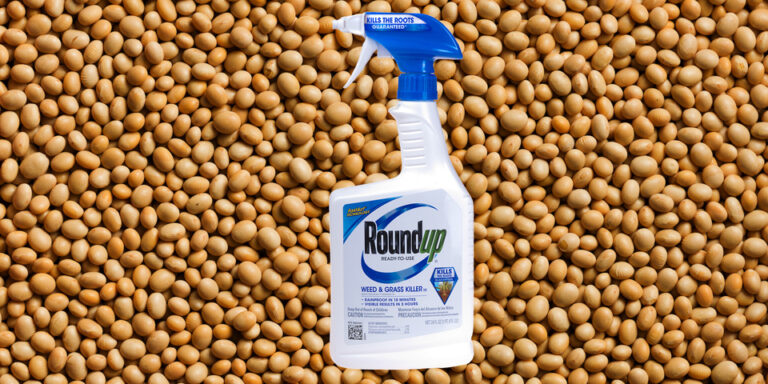
Glyphosate and Soybean Farming: What Science Says
Modern agriculture faces a difficult balancing act of producing enough food for a growing global population while protecting the long-term health of soil ecosystems. One of the most debated agricultural tools in this conversation is glyphosate, a widely used herbicide often associated with genetically modified crops such as glyphosate-resistant soybeans.
But what does the scientific research really say about glyphosate’s impact on soil life and crop health?
This article explores how glyphosate interacts with soil microbes, beneficial symbiotic organisms, and soybean production systems.
Why Large-Scale Farming Depends on Chemicals
Most modern food production relies on large monoculture fields where a single crop is grown across many hectares. This approach allows efficient mechanized farming but creates challenges:
-
Weeds compete with crops for nutrients, water, and sunlight
-
Soil nutrients become depleted
-
Plant pathogens can spread quickly
To manage these risks, farmers often rely on agricultural inputs such as:
-
Fertilisers
-
Herbicides
-
Insecticides
-
Fungicides
However, improper use of these chemicals can harm soil biodiversity, disrupt microbial communities, and affect soil chemistry.
Healthy soil ecosystems are crucial because microorganisms drive many essential agricultural processes, including:
-
Nitrogen fixation
-
Nutrient cycling
-
Plant disease suppression
-
Soil structure formation
Soybeans: One of the World’s Most Important Crops
Soybeans are among the most widely grown crops globally. Originally cultivated in China nearly 5,000 years ago, soybeans are now a major agricultural commodity.
Today they are grown extensively in countries such as:
-
United States
-
Brazil
-
Argentina
-
China
-
India
Soybeans are valued because they:
-
Provide a high-protein food source
-
Produce oil used in food and industry
-
Improve soil fertility through biological nitrogen fixation
In crop rotations, soybeans are particularly valuable because they enrich soil nitrogen, benefiting subsequent crops like maize or wheat.
Farming Practices That Influence Soil Health
Several agricultural practices directly influence soil biology and crop productivity.
Crop Rotation
Rotating crops helps prevent disease outbreaks by breaking the life cycles of pathogens.
Benefits include:
-
Reduced soil-borne disease pressure
-
Lower weed populations
-
Improved nutrient cycling
For example, rotating soybeans with maize often increases yields or both crops.
Tillage
Tillage prepares the soil for planting but can damage soil structure.
Excessive tillage may lead to:
-
Soil compaction
-
Reduced microbial diversity
-
Loss of soil carbon and nitrogen
Reduced tillage systems often improve:
-
Soil organic matter
-
Water retention
-
Long-term crop yields
Weed Control
Weeds are one of the biggest threats to crop production.
They:
-
Compete with crops for nutrients and water
-
Interfere with mechanical harvesting
-
Reduce crop yields
Because manual or mechanical weeding is impractical on large farms, chemical herbicides are widely used.
Understanding Glyphosate
Glyphosate is one of the most widely used herbicides in the world. First introduced in 1974, it works by blocking a plant biochemical pathway known as the shikimate pathway, which plants use to produce essential amino acids. Without these amino acids, plants cannot produce proteins and eventually die.
Importantly:
-
Humans do not use the shikimate pathway, which is why glyphosate was initially considered relatively safe for animals and humans.
Glyphosate-Resistant Crops
Some crops, including soybeans, have been genetically modified to resist glyphosate. These “Roundup Ready” crops contain a gene that allows them to continue producing the enzyme affected by glyphosate.
This means farmers can:
-
Spray glyphosate to kill weeds
-
Leave the crop plants unharmed
The technology greatly simplifies weed control in large farming systems.
Does Glyphosate Harm Soil Microbes?
This question has been the subject of extensive research and debate.
Scientific studies show mixed results, but several consistent findings have emerged.
What many studies show
When used at recommended rates:
-
Glyphosate usually binds strongly to soil particles
-
Only small amounts remain biologically active
-
Most microbial changes are temporary
Some studies even observed:
-
Increased microbial respiration
-
Slight shifts in microbial community composition
However, repeated applications or high concentrations may:
-
Change microbial diversity
-
Influence certain fungal populations
Beneficial Soil Microorganisms
Important groups include:
Nitrogen-Fixing Rhizobia
Healthy soil contains a complex web of organisms that support plant growth. Soybeans form symbiotic relationships with bacteria such as Bradyrhizobium japonicum.
These bacteria:
-
Infect soybean roots
-
Form nodules
-
Convert atmospheric nitrogen into plant-usable forms
This natural fertilisation reduces the need for nitrogen fertiliser.
Arbuscular Mycorrhizal Fungi
These fungi form symbiotic relationships with plant roots and help plants absorb nutrients.
They improve:
-
Phosphorus uptake
-
Soil structure
-
Plant resilience to stress
Trichoderma species
Trichoderma species are beneficial fungi that:
-
Suppress plant pathogens
-
Stimulate plant growth
-
Improve root development
These organisms are increasingly used as biological crop protection agents.
Glyphosate and Soil Symbiosis
Some studies suggest glyphosate may influence these beneficial organisms, but results vary.
Research findings include the following possible effects:
-
Reduced nodulation in certain conditions
-
Changes in microbial diversity
-
Temporary shifts in soil microbial activity
However, other studies found:
-
No significant effects on rhizobia
-
No long-term impact on soil microbial populations
-
No reduction in crop yields
The majority of evidence suggests that correct herbicide use limits negative impacts.
Soybean Diseases and Monoculture
Continuous planting of the same crop can increase disease pressure.
Common soybean pathogens include:
-
Fusarium species
-
Rhizoctonia
-
Macrophomina phaseolina
-
Pythium
Crop rotation is one of the most effective ways to reduce disease outbreaks.
Do Glyphosate-Resistant Crops Increase Disease?
Some researchers have suggested glyphosate might make crops more susceptible to disease. However, many field studies show that disease incidence is usually influenced more by:
-
Crop cultivar
-
Environmental conditions
-
Soil health
-
Farming practices
Rather than the herbicide itself.
Best Practices for Sustainable Soybean Farming
Research consistently highlights several strategies that protect soil health:
Integrated Pest Management
Combining multiple weed control methods:
-
Herbicides
-
Crop rotation
-
Mechanical control
-
Biological agents
Healthy Soil Management
Maintaining strong microbial communities through:
-
Reduced tillage
-
Organic matter management
-
Balanced fertilisation
Responsible Herbicide Use
Following label instructions and avoiding excessive applications.
Final Thoughts
Despite widespread public concern, scientific evidence generally shows that glyphosate does not cause major long-term damage to soil microbial ecosystems when used correctly. Short-term microbial changes may occur, but these are usually temporary and mitigated by good agricultural practices such as:
-
crop rotation
-
integrated pest management
-
maintaining healthy soils.
Ultimately, sustainable farming depends not on eliminating individual tools like glyphosate, but on using them responsibly within a balanced agricultural system.