
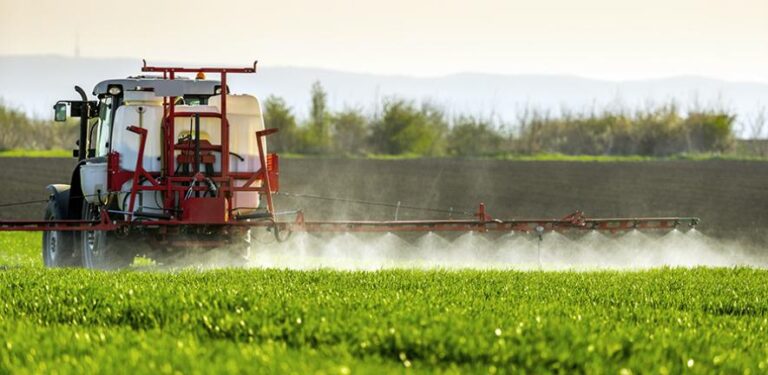
How Herbicides Influence Soil Microbes
Modern agriculture often focuses on what we can see — crops, weeds, rainfall and harvest yields. Yet the true foundation of farming lies underground, in a world invisible to the naked eye. Beneath every field exists a vast living ecosystem made up of billions of microorganisms. These soil microbes regulate nutrient cycling, support plant growth, suppress disease and help maintain soil fertility.
Simply put:
👉 Without microbes, agriculture would not exist. But as farming increasingly relies on herbicides and genetically modified (GM) crops, scientists are asking an important question: How do these technologies affect the living soil?
🦠 Soil: A Living Ecosystem
Healthy soil is not just dirt. It is a dynamic biological system containing:
bacteria
fungi
algae
protozoa
microscopic invertebrates
Together, these organisms decompose organic matter, release nutrients and form partnerships with plant roots. Any substance entering the soil — including herbicides — inevitably interacts with this microbial community.
🌱 Herbicides Do More Than Kill Weeds
Herbicides are designed to control unwanted plants, but once applied they reach the soil environment where microorganisms are the first to encounter them.
Scientific studies show herbicides may:
reduce certain microbial populations,
stimulate others,
alter microbial diversity,
influence nutrient availability.
Importantly, soil responses vary widely depending on soil type, climate, application rate and farming practices. There is rarely a simple “good” or “bad” outcome.
🌾 Glyphosate: A Global Case Study
Among herbicides, glyphosate has received the greatest scientific attention. Glyphosate works by blocking a metabolic pathway essential for plant growth. Many modern crops have been genetically modified to tolerate glyphosate, allowing farmers to control weeds efficiently without harming the crop. Research reviewed in the South African Journal of Plant and Soil (2014: 31 (4) 177-186) shows complex interactions between glyphosate and soil microbes.
Some findings include:
✅ Certain microorganisms can degrade glyphosate and use it as a nutrient source.
✅ Microbial activity may temporarily increase following application.
Other studies report:
⚠️ reductions in beneficial microbes,
⚠️ shifts toward potential plant pathogens,
⚠️ changes in micronutrient dynamics such as manganese availability.
The outcome depends strongly on environmental and management conditions.
🔬 Microbes Adapt Faster Than We Think
One remarkable discovery is microbial adaptability. Repeated herbicide exposure may lead soil microbial communities to develop the ability to:
break down herbicides more rapidly,
tolerate chemical exposure,
incorporate herbicide compounds into natural nutrient cycles.
In many soils, microorganisms become active participants in detoxifying agricultural chemicals. Nature continuously adjusts.
🌽 Do GM Crops Affect Soil Microbiology?
Genetically modified herbicide-resistant crops add another dimension. Plant roots release compounds into surrounding soil — an area known as the rhizosphere. These root exudates shape microbial populations living near roots.
Current research suggests that:
👉 farming practices such as tillage, crop rotation and fertilization often influence soil microbes more strongly than the genetic modification itself. However, repeated herbicide use associated with GM systems may indirectly influence microbial balance over time.
⚖️ Agriculture Is About Balance
The scientific consensus emerging from decades of research is nuanced:
Herbicides can both stimulate and suppress microbes.
Soil ecosystems respond dynamically.
Long-term effects depend on management practices rather than single applications.
Healthy soils result from integrated management, not isolated technologies.
🌍 Why Soil Microbes Matter for the Future
As global agriculture faces climate change, soil degradation and food security challenges, protecting soil biology becomes increasingly important. Soil microorganisms contribute to:
sustainable crop production
carbon cycling
drought resilience
disease suppression
ecosystem stability
Understanding how agricultural tools interact with microbial life allows us to farm more intelligently — working with biological systems rather than against them. Because ultimately: Microbes rule the soil — and the soil sustains us all.