How Your Microbiome Shapes Overall Wellness
The connection between fermented foods and gut health has become one of the biggest nutrition trends in recent years—and for good reason. Scientific research now shows that fermented foods do much more than improve digestion. They influence the gut microbiome, strengthen the immune system, reduce inflammation, and may even support brain and metabolic health.
From yogurt and kefir to kimchi, kombucha, miso, and sauerkraut, fermented foods contain living microbes and beneficial compounds that interact with the trillions of microorganisms living inside the digestive tract. Scientists are increasingly recognizing these foods as powerful functional nutrition tools capable of improving whole-body wellness.
What Are Fermented Foods?
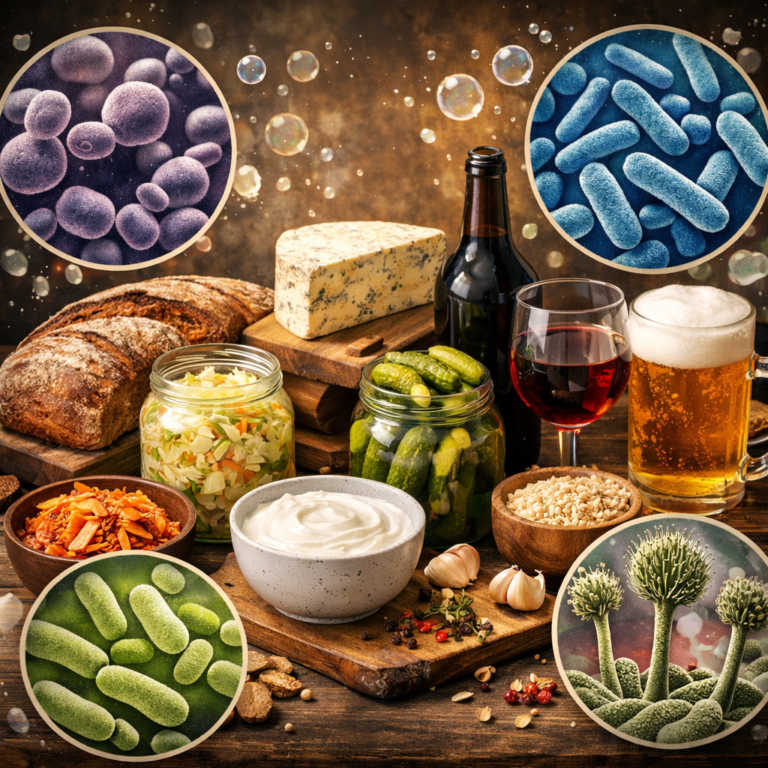
Fermented foods are produced when beneficial microorganisms such as bacteria, yeasts, or fungi break down sugars and carbohydrates in food. This natural process creates acids, enzymes, vitamins, and bioactive compounds that can improve both flavor and nutritional value.
Popular fermented foods include:
- Yogurt
- Kefir
- Kimchi
- Sauerkraut
- Kombucha
- Tempeh
- Miso
- Natto
- Fermented pickles
- Sourdough bread
For centuries, fermentation was mainly used to preserve food. Today, modern science reveals that fermentation also enhances nutrient availability and supports the gut microbiome in unique ways.
Why Gut Health Matters
The gut microbiome is a massive ecosystem of bacteria, fungi, viruses, and other microbes living primarily in the intestines. These microbes influence digestion, immunity, metabolism, inflammation, and even mental health. A healthy gut microbiome is associated with:
- Better digestion
- Stronger immune defenses
- Reduced inflammation
- Improved mood and cognitive function
- Better metabolic health
- Lower risk of chronic disease
When the microbiome becomes imbalanced—a condition known as dysbiosis—it may contribute to obesity, diabetes, digestive disorders, autoimmune conditions, and mood-related issues.
Diet plays a major role in shaping gut bacteria, and fermented foods appear to be one of the most effective dietary tools for supporting microbial diversity.
How Fermented Foods Improve Gut Health
1. They Introduce Beneficial Microbes
Fermented foods naturally contain live microorganisms such as Lactobacillus, Bifidobacterium, and beneficial yeasts. These microbes temporarily enter the digestive system and interact with the existing gut microbiota.
Research suggests that regular fermented food intake can increase beneficial bacteria associated with reduced inflammation and stronger gut barrier function.
Unlike many probiotic supplements that contain only one or two strains, fermented foods provide complex microbial ecosystems along with nutrients and metabolites that work together.
2. They Help Produce Short-Chain Fatty Acids
One of the biggest benefits of fermented foods for gut health is their role in supporting short-chain fatty acid (SCFA) production.
SCFAs such as butyrate, acetate, and propionate are produced when gut microbes ferment dietary fibers. These compounds:
- Feed intestinal cells
- Strengthen the gut lining
- Reduce inflammation
- Support metabolism
- Improve immune responses
Fermented foods help increase SCFA production by improving fiber accessibility and encouraging beneficial bacterial growth inside the gut.
3. They Improve Nutrient Absorption
Fermentation breaks down complex compounds that may otherwise interfere with digestion and mineral absorption.
For example:
- Fermented vegetables become easier to digest
- Sourdough fermentation reduces phytic acid, improving mineral availability
- Fermented soy products increase bioactive compounds
- Yogurt and kefir improve lactose digestion
This process makes nutrients more bioavailable while also creating beneficial vitamins and peptides.
4. They Contain Powerful Bioactive Compounds
Fermented foods are rich in natural compounds that support gut and overall health, including:
- Organic acids
- Antioxidants
- Bioactive peptides
- Exopolysaccharides
- Bacteriocins
Some fermented foods also contain antimicrobial compounds that help suppress harmful bacteria while supporting beneficial microbes.
Kimchi, kefir, kombucha, and yogurt are especially rich in these fermentation-derived compounds.
The Link Between Fermented Foods and Immunity
Scientists now understand that gut health and immune function are deeply connected. Around 70% of the immune system is associated with the gut. Studies show that fermented foods may help:
- Reduce inflammatory markers
- Strengthen gut barrier integrity
- Support immune cell activity
- Improve microbial diversity
In one major clinical study, participants who regularly consumed fermented foods experienced increased microbiome diversity along with reductions in inflammatory markers linked to chronic disease.
Can Fermented Foods Support Brain Health?
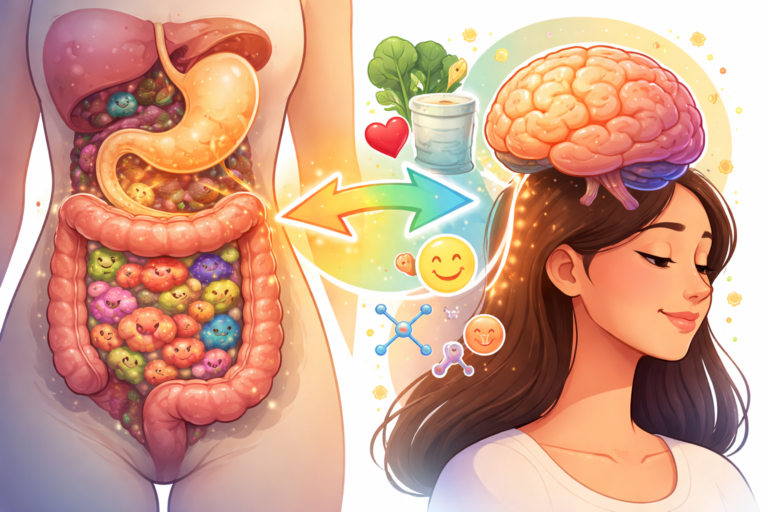
Emerging research suggests that fermented foods may also influence the gut-brain axis—the communication network connecting the digestive system and the brain.
Certain fermented dairy products containing probiotic strains have been associated with improvements in memory and cognitive performance. Researchers believe this may be related to reduced inflammation, microbial signaling, and improved metabolic function.
Scientists are now exploring how gut microbiome modulation may influence anxiety, depression, and neurodegenerative conditions.
Best Fermented Foods for Gut Health
Yogurt : Rich in probiotics and beneficial peptides that support digestion and intestinal balance.
Kefir: Contains diverse bacteria and yeasts that may improve microbial diversity and immune health.
Kimchi: Packed with lactic acid bacteria, fiber, and antioxidants linked to anti-inflammatory effects.
Kombucha: A fermented tea containing organic acids and microbial metabolites that may support metabolic and gut health.
Sauerkraut: Provides fiber, probiotics, and beneficial acids that support digestion and gut motility.
Tempeh and Miso: Fermented soy products rich in bioactive compounds and prebiotic substances.
Personalized Nutrition and the Future of Gut Health
Not everyone responds to fermented foods in the same way. Genetics, lifestyle, diet, and existing gut microbiota all influence individual outcomes.
Researchers are increasingly exploring personalized nutrition approaches that use microbiome data to recommend specific fermented foods for different health goals.
Future innovations in precision fermentation and microbiome science could lead to highly targeted dietary interventions designed to support immunity, metabolism, and disease prevention.
Final Thoughts
Fermented foods are far more than a wellness trend. Modern scientific evidence shows they can influence gut microbiome composition, improve digestion, support immune function, and contribute to overall health. Adding fermented foods like yogurt, kimchi, kefir, kombucha, and sauerkraut to a balanced diet may help create a healthier and more resilient gut microbiome over time. As research continues to evolve, fermented foods are likely to become a central part of personalized nutrition and microbiome-focused healthcare strategies.