

Microbes may be microscopic, but they are far from solitary. They constantly “talk” to one another using chemical signals, electrical impulses, and even tiny packages of information.
This communication allows them to coordinate their behavior, much like people in a community.
The best-known form of microbial communication is called quorum sensing. Individual bacteria release small signaling molecules into their environment. When only a few bacteria are present, these molecules remain too diluted to have much effect. As the population grows, however, the concentration of the signals increases. Once a critical threshold is reached, the bacteria collectively detect that there are “enough of us” and simultaneously switch on specific genes. This synchronized response can trigger the production of toxins, the emission of light, the formation of protective biofilms, or the release of enzymes to digest food.
A classic example is the marine bacterium Aliivibrio fischeri, which lives inside certain squid. When enough bacteria accumulate, quorum sensing activates genes that make the entire population glow, helping camouflage the squid at night.
Microbes also communicate by building physical connections. Some bacteria form microscopic bridges called nanotubes that allow neighboring cells to exchange nutrients, proteins, and even genetic material. Others use hair-like structures to transfer DNA directly from one cell to another, a process known as bacterial conjugation. This sharing of genes can spread useful traits such as antibiotic resistance throughout a microbial community.
Remarkably, some microbes can also send electrical signals. Certain soil and aquatic bacteria conduct electrons through specialized protein structures that act like tiny biological wires. These electrical messages can coordinate activity across an entire biofilm, allowing cells far from nutrients to communicate with those that have access to food.
Another fascinating communication method involves the release of extracellular vesicles—tiny membrane-bound bubbles packed with proteins, DNA, RNA, and signaling molecules. These microscopic “parcels” can travel through water, soil, or the human body and deliver messages to other microbes or even to plant and animal cells.
Communication isn’t limited to members of the same species. Many microbes “eavesdrop” on signals produced by other species and adjust their behavior accordingly. In the human gut, for example, hundreds of bacterial species exchange information that helps regulate digestion, compete for nutrients, and keep harmful microbes in check. Plants also participate in this conversation: roots release compounds that attract beneficial microbes, while microbes respond by producing nutrients, growth hormones, or molecules that help defend the plant against disease.
Some microbes even manipulate their hosts through chemical communication. Plant-associated bacteria can produce hormones such as auxins that stimulate root growth, while beneficial gut bacteria manufacture molecules that influence the immune system and, indirectly, the brain via the gut–brain axis.
Why microbial communication matters
Understanding how microbes communicate has transformed medicine and agriculture. Scientists are exploring ways to block quorum sensing so harmful bacteria cannot coordinate infections, even without killing them directly. In farming, researchers are studying how to encourage beneficial microbial conversations around plant roots to improve crop growth, reduce fertilizer use, and naturally suppress diseases.
The more we learn, the clearer it becomes that microbes are not isolated organisms. They are members of highly connected communities, constantly exchanging information and working together.
In many ways, a microbial community resembles a bustling city: millions of individuals communicating, cooperating, competing, and adapting in response to their ever-changing environment.
Microbes can Communicate with Plants too!
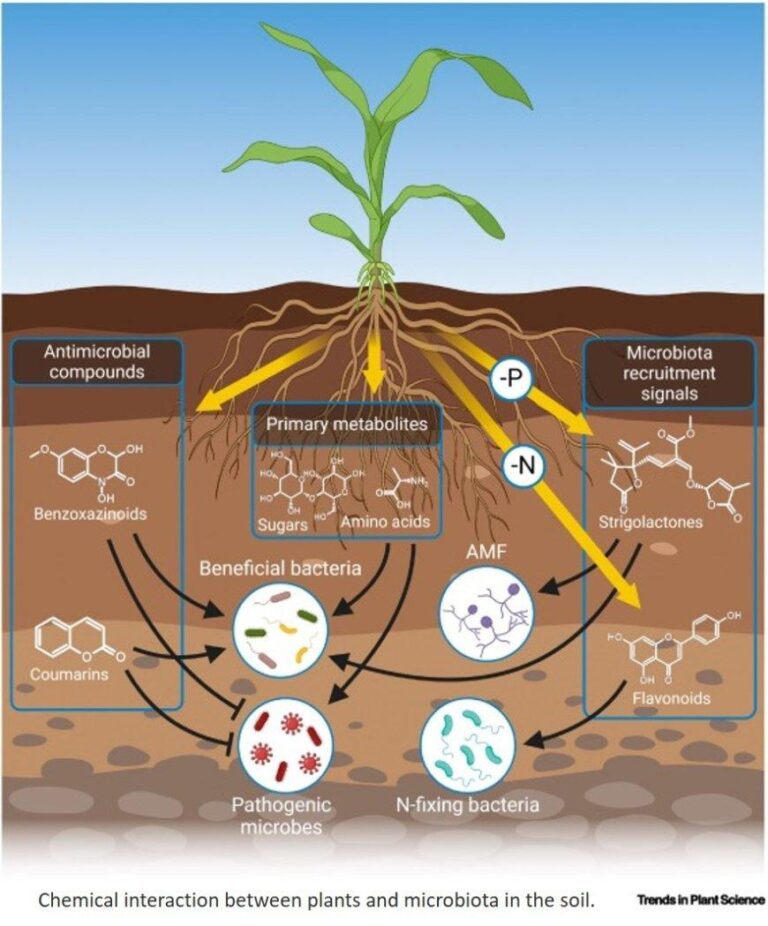
Plants and microbes are engaged in an ongoing chemical conversation. Although plants have no nervous system and microbes have no voices, they exchange thousands of chemical signals that allow them to recognize one another, form partnerships, defend against disease, and adapt to changing conditions.
The conversation usually begins with the plant. Roots release a rich mixture of compounds into the soil known as root exudates. These include sugars, amino acids, organic acids, vitamins, and specialized signaling molecules. Although this represents a significant investment of energy—plants can release up to 20–40% of the carbon they produce through photosynthesis into the soil—it helps attract the right microbial partners.
Beneficial microbes “read” these chemical messages. Different compounds attract different organisms. Some bacteria swim toward specific root exudates, while beneficial fungi respond to molecules that stimulate their growth. Once they arrive, microbes release their own signaling compounds that tell the plant who they are and what they can offer.
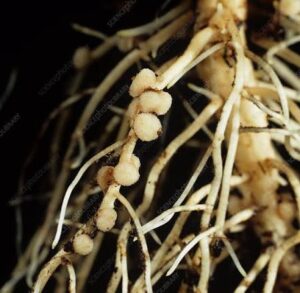
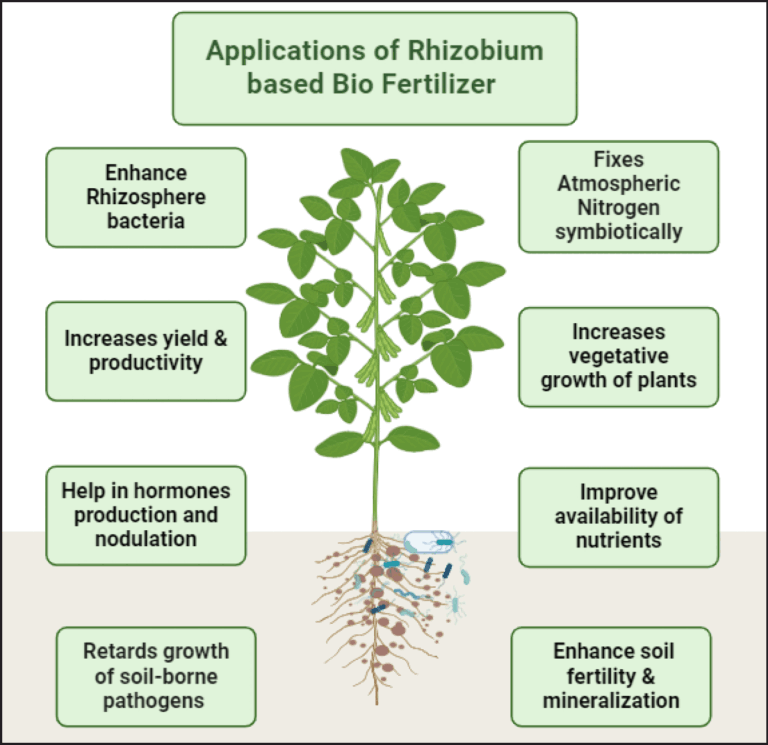
One of the best-studied examples is the partnership between legumes and nitrogen-fixing bacteria in the genus Rhizobium. Legume roots release flavonoids into the soil, which activate bacterial genes. In response, the bacteria produce signaling molecules called Nod factors. The plant recognizes these molecules and begins forming root nodules—specialized organs where the bacteria convert atmospheric nitrogen into forms the plant can use.
Mycorrhizal partners that assist plants.
A similar dialogue occurs between plants and arbuscular mycorrhizal fungi. Plant roots release compounds called strigolactones, which encourage fungal growth toward the roots. The fungi respond with signaling molecules that allow them to enter the root safely. Once established, the fungi extend an enormous network of microscopic filaments into the soil, dramatically increasing the plant’s ability to absorb phosphorus, water, and trace minerals. In return, the plant supplies the fungi with sugars.
Microbes also influence plant growth by producing hormones or hormone-like substances. Many beneficial bacteria manufacture auxins, cytokinins, or gibberellins, which stimulate root development, helping plants explore more soil for nutrients and water. Others produce an enzyme that lowers plant stress hormones, making crops more resilient during drought, salinity, or flooding.
Communication also plays a vital role in plant defense.
When harmful microbes attack, plants detect characteristic microbial molecules known as microbe-associated molecular patterns (MAMPs). These act like molecular fingerprints that alert the plant’s immune system, triggering defenses before an infection becomes severe. Beneficial microbes, meanwhile, can “train” the plant’s immune system through a process known as induced systemic resistance, allowing the plant to respond more quickly to future attacks.
Plants don’t just communicate with individual microbes—they shape entire microbial communities. By changing the composition of their root exudates, plants can encourage beneficial organisms while discouraging harmful ones. During disease outbreaks or nutrient shortages, many plants alter these chemical signals to recruit microbes that can help solve the problem.
This underground exchange is often called the rhizosphere conversation. The rhizosphere—the narrow zone of soil surrounding roots—is one of the busiest communication hubs on Earth. Billions of microbes interact with plant roots every day, exchanging nutrients, warning signals, growth-promoting compounds, and defensive molecules.
Why this matters for agriculture
Understanding plant–microbe communication is transforming modern farming. Instead of relying solely on fertilizers and pesticides, farmers and researchers are learning how to encourage beneficial microbial partnerships. Practices such as cover cropping, compost application, reduced tillage, crop rotation, and microbial inoculants help maintain these underground conversations. Healthy microbial communication can improve nutrient uptake, suppress diseases, increase drought tolerance, and reduce the need for chemical inputs.
In essence, plants do not grow alone. Every healthy root is surrounded by a community of microbes that are constantly exchanging information. These invisible conversations help determine how well a plant grows, how efficiently it uses nutrients, and how successfully it withstands the many challenges of life in the soil.