Fungi are among the most overlooked organisms living inside our homes. While some are harmless, others can damage property, contaminate food, and seriously affect human health. Moulds and fungi thrive in damp, poorly ventilated environments and can quickly spread through walls, ceilings, carpets, furniture, and even air-conditioning systems. Understanding where household fungi grow and the risks they pose is essential for maintaining a healthy living environment.
What Are Household Fungi?
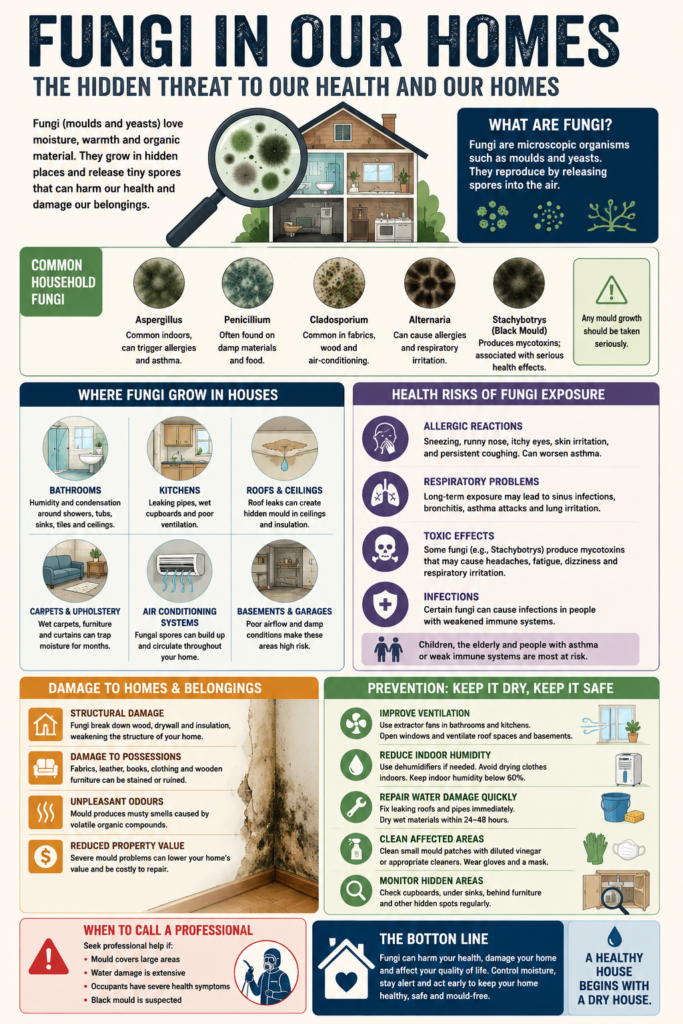
Fungi are a kingdom of organisms that includes moulds, yeasts, and mushrooms. In homes, fungi usually appear as mould growing on damp surfaces. These organisms reproduce by releasing microscopic spores into the air. Once spores land on a moist surface, they germinate and form colonies. Common household fungi include:
- Aspergillus
- Penicillium
- Cladosporium
- Alternaria
- Stachybotrys (often called “black mould”)
These fungi feed on organic material such as wood, paper, fabric, dust, and drywall.
Where Fungi Commonly Grow in Houses
Fungi require moisture, warmth, and organic matter to grow. Common hotspots include:
Bathrooms: Bathrooms are ideal fungal environments because of constant humidity and condensation. Mould frequently develops around showers, bathtubs, sinks, tiles, and ceilings.
Kitchens: Leaking pipes, wet cupboards, and poorly ventilated cooking areas encourage fungal growth behind appliances and under sinks.
Roofs and Ceilings: Roof leaks can create hidden fungal colonies inside ceilings and insulation materials.
Carpets and Upholstery: Wet carpets, furniture, and curtains can harbour fungi for months after flooding or water damage.
Air Conditioning Systems: HVAC systems can accumulate fungal spores and distribute them throughout the house.
Basements and Garages: Poor airflow and damp conditions make these areas particularly vulnerable.
Health Risks Associated With Household Fungi
Exposure to indoor fungi can affect people differently depending on age, immune status, and sensitivity.
Allergic Reactions
Many fungal spores are potent allergens. Exposure may cause:
- Sneezing
- Runny nose
- Itchy eyes
- Skin irritation
- Persistent coughing
People with asthma often experience worsened symptoms in mould-infested homes.
Respiratory Problems
Long-term inhalation of fungal spores can irritate the lungs and airways. Certain fungi may contribute to:
- Chronic sinus infections
- Bronchitis
- Asthma attacks
- Hypersensitivity pneumonitis
Children and elderly individuals are especially vulnerable.
Toxic Effects
Some fungi produce toxic compounds known as mycotoxins. Stachybotrys chartarum, commonly called black mould, has been associated with headaches, fatigue, dizziness, and respiratory irritation. While scientific debate continues regarding the extent of its toxicity, heavy infestations are considered a serious indoor health hazard.
Infections
Certain fungi can cause infections in people with weakened immune systems. Species of Aspergillus, for example, may lead to severe lung infections in immunocompromised individuals.
Damage to Homes and Belongings
Fungi do not merely threaten health — they can also destroy property.
Structural Damage
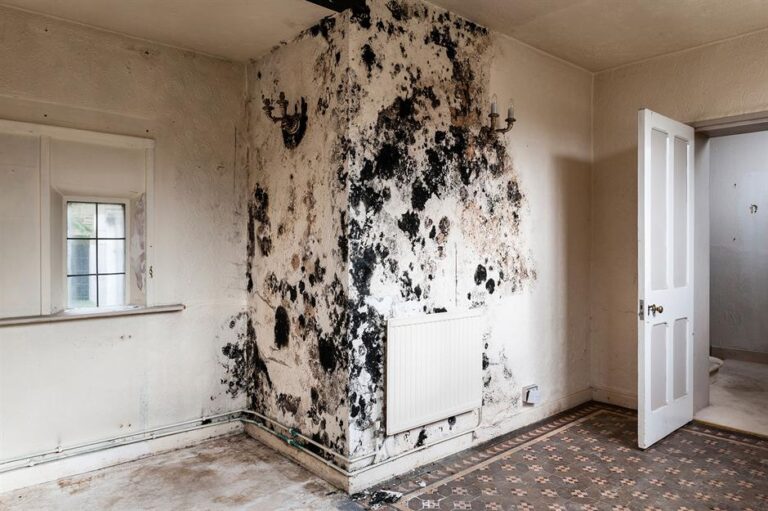
Fungi gradually break down wood, drywall, and insulation materials. Persistent moisture and fungal decay can weaken structural components of a building.
Damage to Furniture and Clothing
Leather, fabrics, books, and wooden furniture can become permanently stained or degraded by fungal growth.
Unpleasant Odours
Mould colonies produce volatile organic compounds responsible for the familiar musty smell associated with damp buildings.
Reduced Property Value
Severe mould infestations can make houses difficult to sell and expensive to repair.
Why Modern Homes Are Vulnerable
Modern houses are often built to be highly energy efficient and airtight. While this reduces heating and cooling costs, it can also trap moisture indoors. Poor ventilation, combined with activities such as showering, cooking, and drying clothes indoors, creates ideal fungal conditions.
Climate also plays a role. Coastal and humid regions frequently experience greater mould problems due to elevated moisture levels in the air.
How to Prevent Household Fungi
Prevention focuses primarily on moisture control.
Improve Ventilation
- Use extractor fans in bathrooms and kitchens.
- Open windows regularly.
- Ensure roof spaces and basements are ventilated.
Reduce Indoor Humidity
- Use dehumidifiers where necessary.
- Avoid drying clothes indoors.
- Maintain indoor humidity below 60%.
Repair Water Damage Quickly
- Fix leaking roofs and pipes immediately.
- Dry wet materials within 24–48 hours.
Clean Affected Areas
Small mould patches can often be cleaned using diluted vinegar or appropriate antifungal cleaners. Protective gloves and masks should be worn during cleaning.
Monitor Hidden Areas
Regularly inspect cupboards, ceilings, under sinks, and behind furniture for signs of dampness or mould.
When Professional Help Is Needed
Large infestations or recurring mould problems often indicate underlying structural or moisture issues. Professional remediation specialists may be required when:
- Mould covers large areas
- Water damage is extensive
- Occupants experience severe health symptoms
- Black mould is suspected
Professionals can identify hidden fungal growth and safely remove contaminated materials.
Take Home Message
Household fungi are far more than cosmetic nuisances. They can trigger allergies, worsen respiratory disease, damage homes, and reduce indoor air quality. Because fungi spread silently and often remain hidden behind walls or ceilings, prevention and early detection are critical. By controlling moisture, improving ventilation, and responding quickly to water damage, homeowners can greatly reduce the risks posed by these microscopic invaders. In many ways, a healthy house begins with a dry house.