How Microbes Clean Polluted Soils
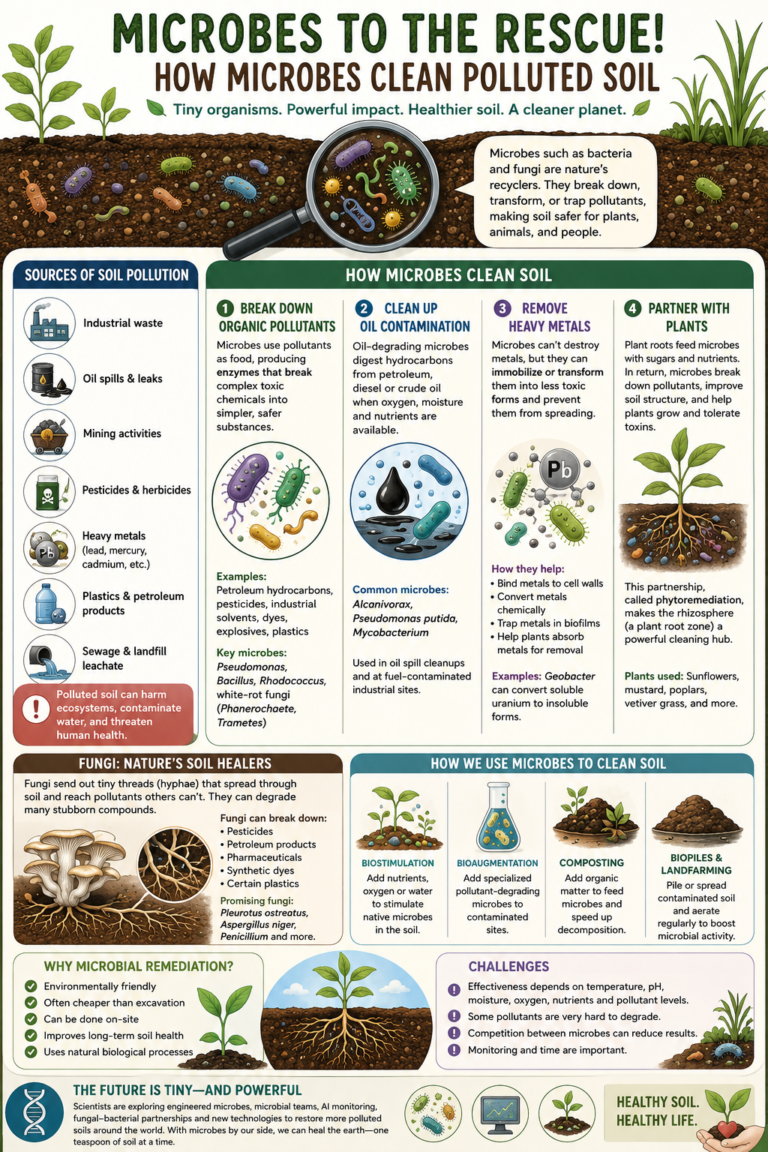
Microbes — especially bacteria and fungi — are among nature’s most powerful recyclers. Certain species can break down toxic chemicals, absorb heavy metals, or transform dangerous pollutants into less harmful substances. This process is known as bioremediation, and it is becoming an increasingly important tool for restoring contaminated soils around the world.
What Is Soil Pollution?
Soils become polluted through:
Industrial waste
Oil spills
Mining activities
Agricultural pesticides and herbicides
Heavy metals such as lead, cadmium, mercury, and arsenic
Plastics and petroleum products
Sewage and landfill leakage
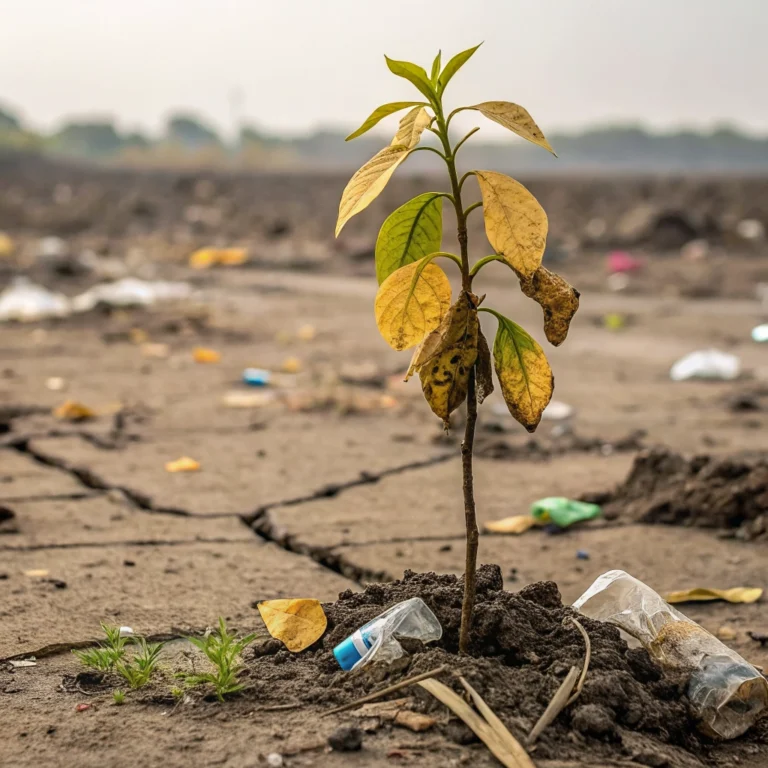
Polluted soils can damage ecosystems, contaminate groundwater, reduce crop yields, and threaten human health.
1. Breaking Down Organic Pollutants
Many bacteria and fungi use pollutants as a food source. They produce enzymes that digest complex toxic compounds into simpler, safer molecules.
Examples include:
Petroleum hydrocarbons from oil spills
Pesticides
Industrial solvents
Explosives
Dyes and plastics
Key Microbial “Clean-Up Crews”
Some famous pollutant-degrading microbes include:
Pseudomonas species
Bacillus species
Rhodococcus species
Phanerochaete chrysosporium
Trametes versicolor
White-rot fungi are particularly impressive because they produce enzymes capable of degrading lignin in wood — and those same enzymes can also attack stubborn pollutants like pesticides and industrial chemicals.
2. Cleaning Up Oil Contamination
Oil spills and leaking fuel tanks leave soils contaminated with hydrocarbons. Certain microbes can digest these compounds much like humans digest food. When conditions are favorable — enough oxygen, moisture, and nutrients — microbial populations rapidly increase and begin consuming the oil.
Common Oil-Degrading Microbes
Alcanivorax
Pseudomonas putida
Mycobacterium
This technique has been used after major marine oil spills and at industrial sites contaminated with diesel or crude oil.
3. Removing Heavy Metals
Metals cannot be “destroyed,” but microbes can immobilize or transform them into less toxic forms.
Some bacteria:
Bind metals onto their cell walls
Convert metals chemically
Trap metals in biofilms
Help plants absorb metals for later removal
This is especially useful for:
Lead
Chromium
Mercury
Uranium
Cadmium
Example: Certain species of Geobacter can convert soluble uranium into insoluble forms, helping prevent groundwater contamination.
4. Working Together with Plants
A highly effective strategy is combining microbes with plants in a process called phytoremediation.
Plant roots release sugars and nutrients that feed beneficial microbes. In return, microbes:
Break down pollutants
Improve soil structure
Increase plant growth
Help plants tolerate toxins
The root zone — called the rhizosphere — becomes a hotspot of microbial activity.
Plants commonly used include:
Sunflowers
Mustard plants
Poplars
Vetiver grass
Mycoremediation: Fungi as Soil Healers
Fungi are emerging as major players in soil restoration. Their thread-like structures, called hyphae, spread through soil and penetrate contaminated areas. Mycelial networks also improve soil structure and water retention. Some fungi can degrade:
Pesticides
Petroleum products
Pharmaceuticals
Synthetic dyes
Certain plastics
Promising Fungi
Pleurotus ostreatus
Aspergillus niger
Penicillium spp.
Techniques Used in Microbial Soil Cleanup
- Biostimulation: Scientists add nutrients or oxygen to stimulate native microbes already living in the soil.
- Bioaugmentation: Special pollutant-degrading microbes are added to contaminated sites.
- Composting: Organic matter is added to encourage microbial growth and accelerate decomposition.
- Biopiles and Landfarming: Contaminated soils are piled or spread out and periodically aerated to enhance microbial activity.
Advantages of Microbial Bioremediation
Environmentally friendly
Often cheaper than excavation or chemical treatment
Can be performed on-site
Improves long-term soil health
Uses natural biological processes
Challenges
Microbial cleanup is powerful, but not perfect. Some pollutants are also extremely resistant to degradation. Its effectiveness depends on:
Temperature
Soil pH
Moisture
Oxygen availability
Pollutant concentration
Competition between microbes
The Future of Soil Bioremediation
Researchers are exploring:
Genetically engineered microbes
Microbial consortia (teams of microbes)
AI-assisted monitoring of soil microbiomes
Fungal-bacterial partnerships
Nanotechnology combined with microbial remediation
As pollution and land degradation increase globally, microbes may become one of humanity’s most valuable allies in restoring damaged ecosystems.
Final Thought
Healthy soils are living ecosystems teeming with invisible organisms. By harnessing the natural abilities of microbes, scientists are turning bacteria and fungi into biological clean-up crews capable of detoxifying some of the planet’s most polluted environments.
In many ways, the future of environmental restoration may lie beneath our feet — in the microscopic life already working quietly in the soil.