Can Microbes Help Solve the Plastic Crisis?
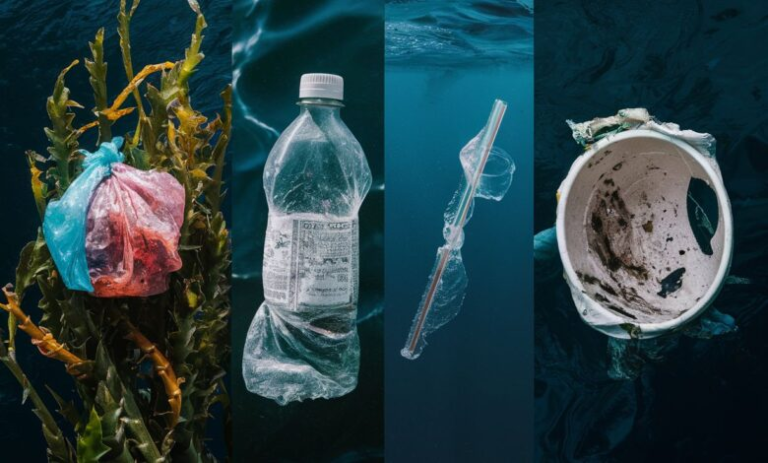
Plastic pollution has become one of the defining environmental problems of the modern age. From remote beaches to deep ocean trenches, plastic waste now contaminates nearly every ecosystem on Earth. Scientists estimate that millions of tons of plastic enter the environment every year, where it can persist for centuries. Yet nature may already be evolving tools to fight back — in the form of plastic-eating microbes.
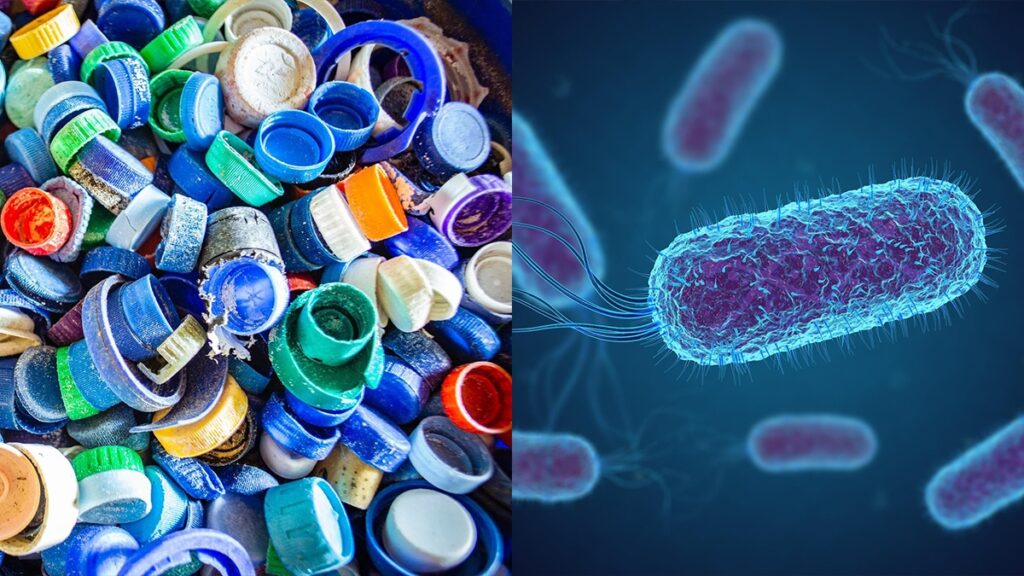
Researchers around the world are discovering fungi and bacteria capable of breaking down some of the world’s most common plastics. Although the field is still young, these microscopic organisms could one day play an important role in reducing plastic pollution and supporting a more sustainable future.
Why Plastic Is So Difficult to Degrade
Most plastics are made from synthetic polymers designed for durability. Materials such as polyethylene (PE), polypropylene (PP), polyethylene terephthalate (PET), and polystyrene (PS) resist heat, water, and microbial attack. This durability is useful for packaging and manufacturing, but disastrous for the environment. Unlike organic materials such as wood or food waste, plastics are unfamiliar to most naturally occurring microbes because they did not exist in nature until relatively recently. As a result, many plastics accumulate in landfills and oceans with little decomposition. However, evolution never stops. In heavily polluted environments, some microbes appear to be adapting to use plastic as a source of carbon and energy.
The Discovery of Plastic-Eating Bacteria
One of the most famous discoveries came in 2016 when Japanese scientists identified a bacterium called Ideonella sakaiensis. This microorganism was found near a plastic recycling facility and demonstrated the remarkable ability to break down PET plastic, commonly used in water bottles and food containers.
The bacterium produces two specialized enzymes:
- PETase, which breaks PET into smaller molecules
- MHETase, which further degrades those molecules into compounds the bacterium can consume
This discovery generated worldwide excitement because it showed that microbes could evolve mechanisms to attack synthetic plastics that were previously considered almost indestructible. Since then, scientists have identified additional bacteria capable of degrading various plastics. The genera in which these species are found are:
- Pseudomonas
- Bacillus
- Rhodococcus
Fungi: Nature’s Master Decomposers
Fungi may prove even more powerful than bacteria in the fight against plastic pollution. Unlike many bacteria, fungi produce extensive networks of hyphae and powerful extracellular enzymes capable of degrading complex materials such as lignin in wood. These same enzymatic tools may help them attack synthetic polymers. One particularly promising fungus is Aspergillus tubingensis, which has shown the ability to colonize and weaken polyurethane plastics within weeks.
Another well-known species is Pestalotiopsis microspora, discovered in the Amazon rainforest. Remarkably, this fungus can degrade polyurethane even under low-oxygen conditions, making it potentially useful in landfills.
Scientists have also investigated:
- Pleurotus ostreatus
- Phanerochaete chrysosporium
These fungi produce oxidative enzymes that can partially break down stubborn polymers and may eventually be incorporated into industrial waste treatment systems.
How Do Plastic-Eating Microbes Function?
Plastic-degrading microbes typically work by secreting enzymes onto the plastic surface. These enzymes cut long polymer chains into smaller fragments that the organism can absorb and metabolize.
The process generally follows four stages:
- Colonization of the plastic surface
- Enzymatic breakdown of polymers
- Absorption of smaller molecules
- Conversion into energy, biomass, carbon dioxide, and water
Environmental conditions such as temperature, moisture, oxygen availability, and UV exposure often influence how quickly degradation occurs.
Could Microbes Solve the Plastic Pollution Crisis?
Although the discoveries are exciting, microbes alone will not magically eliminate global plastic pollution overnight.
There are several major limitations:
Slow Degradation Rates
- Many microbes degrade plastic very slowly under natural conditions. A bottle may still take months or years to break down completely.
Limited Plastic Types
- Some microbes specialize in only one type of plastic, while modern waste streams contain thousands of different polymer mixtures.
Environmental Constraints
- Laboratory success does not always translate into large-scale environmental performance. Conditions in oceans and landfills are highly variable.
Microplastic Concerns
- Partial degradation can sometimes create smaller plastic fragments rather than complete mineralization, potentially worsening microplastic pollution if not carefully managed.
The Future of Microbial Plastic Cleanup
Despite these challenges, the future looks promising. Researchers are now using genetic engineering, enzyme optimization, and synthetic biology to improve microbial efficiency.
Some potential future applications include:
- Bioreactors using engineered microbes to process plastic waste
- Enzyme-based recycling systems
- Microbial treatments for landfill sites
- Plastic-degrading coatings
- Wastewater treatment systems targeting microplastics
Scientists are even exploring “designer enzymes” capable of degrading plastics far faster than naturally occurring microbes.
The goal is not to replace recycling or reduce plastic use, but to add another powerful tool to humanity’s environmental toolkit.
A Lesson from Nature
The emergence of plastic-eating fungi and bacteria demonstrates the incredible adaptability of microbial life. Faced with a new human-made material, evolution has already begun producing organisms capable of exploiting it. Microbes have shaped Earth for billions of years — recycling nutrients, cleaning ecosystems, and driving biological innovation. Now they may help humanity confront one of its greatest environmental mistakes.
The solution to plastic pollution will require reduced consumption, better waste management, smarter materials, and global cooperation. But hidden among the soil, oceans, and forests are microscopic allies quietly evolving to help clean the planet.
Perhaps the future of plastic cleanup lies not in giant machines, but in the extraordinary power of the microbial world!